


Disaster relocation involves the planned movement of individuals from unsafe areas to safety during emergencies, emphasizing the need for community involvement, preparedness, and emotional support to enhance effectiveness and resilience.
Disaster relocation is a crucial strategy that helps communities cope with natural calamities. Have you ever considered how you would manage during such times? Let’s explore the essential steps and preparation needed to navigate this complex process.
Understanding disaster relocation concepts
Understanding disaster relocation concepts is vital for community safety and resilience. When disasters strike, knowing how to relocate effectively can save lives. This section will explore the key elements of disaster relocation, explaining why preparation is essential and how communities can respond better.
What is Disaster Relocation?
Disaster relocation refers to the planned movement of individuals or communities away from dangerous areas to safety. This may occur in response to natural disasters or other emergencies. The goal is to minimize risk and protect lives.
Key Importance of Disaster Relocation
Effective relocation can significantly impact the overall safety of a community during a crisis. Here are some reasons why understanding these concepts is crucial:
- Reduces chaos during emergencies
- Ensures timely access to safety
- Improves coordination of rescue efforts
- Supports community preparedness for future incidents
Preparedness is not only about having a plan; it’s about educating the community on how to react when disaster strikes. Training sessions and community drills can help raise awareness of the necessary steps to take during a relocation.
In addition, knowing local risks and resources available in the area can empower residents to make informed decisions. Disaster relocation strategies should involve collaboration between government agencies, local organizations, and the residents themselves. This teamwork can lead to more effective responses during times of crisis.
Key steps to prepare for relocation
Preparing for disaster relocation involves careful planning and attention to various details. This process is essential for ensuring the safety of everyone in the community when emergencies arise. Here are some important steps that can help individuals and families prepare effectively.
1. Create a Relocation Plan
Having a well-defined plan is the first step in preparation. This should include the following:
- Identifying safe locations to which to relocate
- Designating meeting points for family members
- Understanding transportation options available
These elements ensure that everyone knows what to do when disaster strikes, reducing panic and confusion.
2. Prepare an Emergency Kit
An emergency kit is vital. This kit should contain essential items that can sustain you and your family during a relocation. Make sure to include:
- Non-perishable food and water
- First aid supplies
- Flashlights and batteries
- Medications and important documents
Regularly checking and updating the kit will ensure you are always ready.
In addition to planning and preparing supplies, communication is key. Make sure everyone in the household understands the plan. This preparation can greatly improve the effectiveness of a disaster response.
Participating in community drills can also enhance readiness. These drills familiarize residents with the relocation procedures and build confidence in the plan.
Emotional impact of relocation during disasters
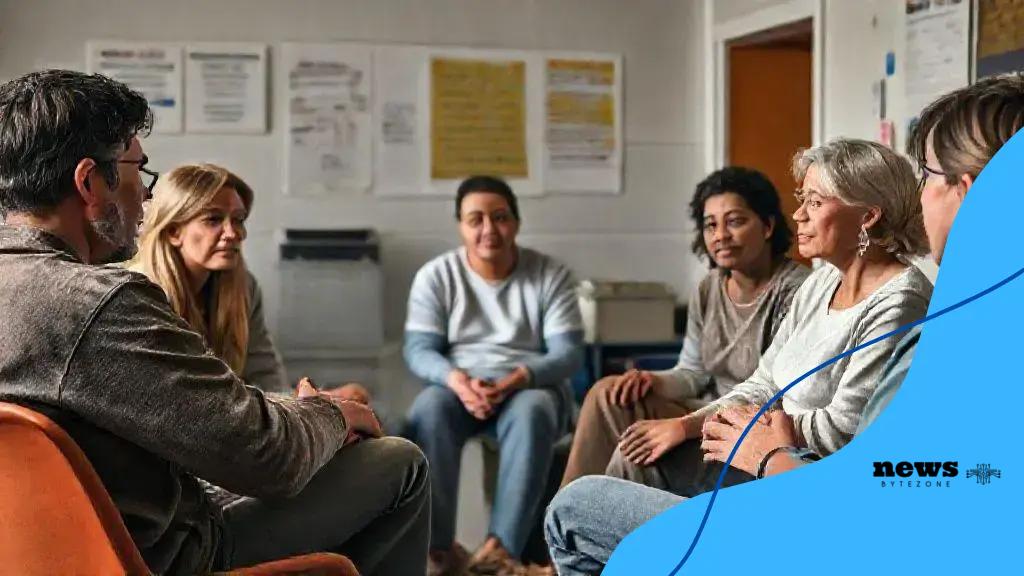
The emotional impact of relocation during disasters is significant and can affect individuals and communities in many ways. When people are forced to leave their homes and familiar surroundings, they often experience a range of emotions, from fear to sadness. Understanding these emotions is important for providing adequate support.
Common Emotional Responses
During a disaster relocation, individuals might go through various emotional stages, including:
- Shock: Initial confusion and disbelief about the situation.
- Anxiety: Concerns about safety and uncertainty regarding the future.
- Sadness: Grieving the loss of one’s home and community.
- Anger: Feelings of frustration about the circumstances.
It’s essential to recognize these emotions as valid reactions to an overwhelming situation. Providing mental health resources can help individuals cope with their feelings during these times.
Supporting Emotional Well-Being
To support emotional well-being during relocations, communities can implement several strategies:
- Establish support groups for those affected.
- Provide access to counseling services.
- Encourage open communication among family and friends.
Maintaining connections with loved ones can help reduce feelings of isolation. It’s important to foster a sense of community, as social support plays a crucial role in emotional recovery.
Furthermore, engaging in community activities can promote healing and create a sense of normalcy. Sharing experiences can also bring individuals together, helping them process their emotions collectively.
Community involvement in disaster planning
Community involvement in disaster planning is crucial for building resilience and ensuring effective response when emergencies occur. When community members take part in the planning process, they can contribute valuable insights about local risks and resources. This collective effort can lead to more comprehensive and effective disaster plans.
Benefits of Community Involvement
Engaging the community fosters a sense of ownership and responsibility. People are more likely to follow plans that they helped create. Some benefits include:
- Empowerment: Residents feel empowered to take action in a crisis.
- Better Preparedness: Local knowledge contributes to more tailored and effective strategies.
- Stronger Connections: Building relationships among community members enhances cooperation during disasters.
Being informed and prepared can save lives, making the involvement of residents essential.
Ways to Get Involved
There are various ways communities can participate in disaster planning. Here are some actionable steps:
- Participate in local emergency response meetings.
- Join or form neighborhood preparedness groups.
- Attend training programs on disaster response.
Encouraging participation can strengthen community ties and equip people with necessary skills. It’s essential to create opportunities for dialogue between residents and local government agencies.
Communities should also work to raise awareness about potential hazards specific to their areas, such as floods, fires, or earthquakes. Sharing information through local events, workshops, and social media can enhance community engagement. Navigating disaster scenarios as a cohesive unit makes all the difference.
Successful case studies of disaster relocations
Successful case studies of disaster relocations provide valuable lessons that can guide future planning and response efforts. These examples illustrate how communities effectively managed relocations during various emergencies. Examining these cases helps us understand best practices and the importance of preparation.
Case Study 1: The 2011 Tōhoku Earthquake and Tsunami
In Japan, the Tōhoku earthquake and tsunami led to a significant disaster response. Effective relocation strategies were in place, such as early warning systems and established evacuation routes. Many communities held regular drills, ensuring residents knew exactly what to do in an emergency.
Case Study 2: Hurricane Katrina
While Hurricane Katrina highlighted several challenges, it also showcased some successful relocations. Local organizations helped evacuate vulnerable populations, focusing on effective communication and support. Transportation was arranged to ensure that those without access could leave the affected areas.
Case Study 3: The 2010 Haiti Earthquake
In Haiti, after the earthquake, community-led efforts played a critical role in relocation. Residents worked together to identify safe zones. International aid organizations supported these efforts by providing resources and logistical assistance.
These successful case studies show that preparedness, community involvement, and effective communication are essential for successful relocations during disasters. Learning from these experiences can help improve strategies in future emergencies.
Furthermore, involving local residents in planning sessions can lead to more effective disaster plans. The greater the community’s involvement, the more tailored the strategies become, enhancing overall safety and resilience.
In summary, effective disaster relocation requires careful planning, community involvement, and awareness of emotional impacts. By learning from successful case studies, communities can build stronger, more resilient plans for the future. When residents participate in the planning process, they create a sense of ownership and readiness. Preparedness includes understanding local risks and forming meaningful connections. Ultimately, together, we can improve our responses to disasters and protect our communities.
FAQ – Frequently Asked Questions about Disaster Relocation
What is disaster relocation?
Disaster relocation is the planned movement of individuals and communities from dangerous areas to safer locations during emergencies.
Why is community involvement important in disaster planning?
Community involvement ensures that plans are tailored to local needs and increases the sense of ownership among residents, leading to better adherence during emergencies.
What are the emotional impacts of relocation during a disaster?
Relocation can lead to feelings of anxiety, depression, and loss. It’s important to provide emotional support and resources to help individuals cope.
How can we learn from successful disaster relocation case studies?
By examining successful case studies, communities can adopt best practices and improve their own disaster plans based on what worked well in other situations.

 HousingGrantInfo: Unlocking Opportunities for Homeowners
  Medical bill relief: how to ease your financial burden
  LowIncomeCare: Affordable Solutions for Health Access