


The new cybersecurity bill, recently passed by the Senate, aims to enhance data privacy protections for individuals by setting stricter standards for how companies handle personal information and respond to data breaches.
The digital landscape is constantly evolving, and with it, the threats to our personal data. The recent passage of a new cybersecurity bill in the Senate marks a significant step towards addressing these challenges. But what does this actually mean for your data privacy? Let’s dive into the key aspects of this legislation and how it could affect you.
Understanding the Core of the Cybersecurity Bill
The cybersecurity bill is designed to modernize and strengthen existing laws related to data protection and cybersecurity. It addresses key areas such as data breach notification, data security standards, and oversight mechanisms. The primary goal is to provide individuals with greater control over their personal information and hold organizations accountable for protecting it.
Key Provisions of the Bill
At its core, the bill introduces several critical provisions aimed at bolstering data security and consumer protection. These include stricter requirements for companies to report data breaches, enhanced security standards for handling sensitive information, and increased penalties for non-compliance. The bill also seeks to promote greater transparency and accountability in the event of a data breach, ensuring that consumers are informed promptly and have access to resources to mitigate potential harm.
- Data Breach Notification: Companies are now required to notify affected individuals within a specified timeframe following a data breach.
- Security Standards: The bill establishes minimum security standards that organizations must adhere to when collecting, processing, and storing personal data.
- Increased Penalties: Non-compliance with the bill’s provisions can result in significant financial penalties and other enforcement actions.
Beyond these core provisions, the bill also includes measures to encourage collaboration between government agencies and the private sector in addressing cybersecurity threats. By fostering greater information sharing and coordination, the bill aims to create a more resilient and secure digital ecosystem for all stakeholders.
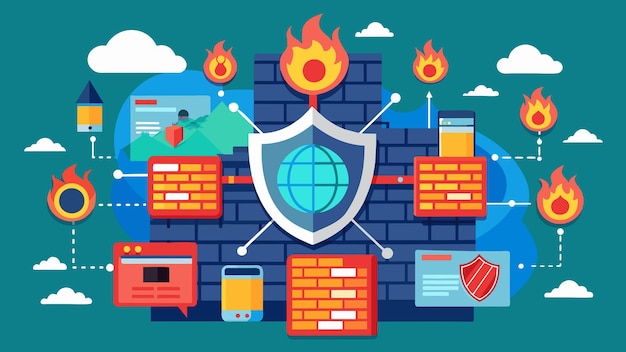
In essence, the cybersecurity bill represents a comprehensive effort to update and strengthen the nation’s approach to data protection in the face of evolving cyber threats. By setting clear standards and promoting greater accountability, the bill aims to safeguard individuals’ personal information and enhance confidence in the digital economy.
How the Bill Impacts Data Privacy for Individuals
One of the most significant aspects of the cybersecurity bill is its direct impact on individual data privacy. By establishing stricter requirements for how companies handle personal information, the bill aims to empower individuals with greater control over their data and provide them with recourse in the event of a data breach. The bill also seeks to promote greater transparency and accountability, ensuring that individuals are informed about how their data is being used and protected.
Enhanced Control Over Personal Data
The bill introduces several measures designed to enhance individuals’ control over their personal data. These include provisions that require companies to obtain explicit consent before collecting or using sensitive information, as well as the right for individuals to access, correct, and delete their personal data. By giving individuals greater agency over their data, the bill aims to address concerns about data privacy and promote a more equitable relationship between individuals and organizations.
- Right to Consent: Companies must obtain explicit consent before collecting or using sensitive personal information.
- Access and Correction: Individuals have the right to access their personal data held by organizations and request corrections if necessary.
- Data Deletion: Individuals can request that their personal data be deleted by organizations, subject to certain exceptions.
In addition to these individual rights, the bill also includes provisions that require companies to implement reasonable security measures to protect personal data from unauthorized access, use, or disclosure. By holding organizations accountable for data security, the bill aims to reduce the risk of data breaches and safeguard individuals’ personal information.
Ultimately, the cybersecurity bill seeks to strike a balance between promoting innovation and protecting individual privacy rights. By empowering individuals with greater control over their data and holding organizations accountable for data security, the bill aims to create a more trustworthy and secure digital environment for all.
Industry Compliance and Adaptation
The passage of the cybersecurity bill presents both challenges and opportunities for businesses across various industries. Compliance with the bill’s provisions will require organizations to adapt their practices, invest in new technologies, and implement comprehensive data protection strategies. However, by embracing these changes, businesses can enhance their reputation, build trust with customers, and gain a competitive advantage in the marketplace.
Preparing for Compliance
To prepare for compliance with the cybersecurity bill, organizations should begin by conducting a thorough assessment of their current data protection practices. This assessment should identify any gaps or weaknesses in their security posture and provide a roadmap for implementing the necessary changes. Organizations should also develop a comprehensive data protection policy that aligns with the bill’s requirements and clearly outlines their commitment to data privacy.
Furthermore, organizations should invest in employee training to ensure that all staff members understand their responsibilities with regard to data protection. This training should cover topics such as data breach notification procedures, security best practices, and individuals’ rights under the bill. By fostering a culture of data privacy within the organization, businesses can minimize the risk of non-compliance and protect themselves from potential penalties.
In addition to these internal measures, organizations should also consider working with third-party vendors and consultants to ensure that their data protection practices meet the bill’s requirements. These external experts can provide valuable guidance and support in navigating the complex landscape of data privacy regulations and implementing effective data protection solutions.

Ultimately, compliance with the cybersecurity bill is not just a legal obligation but also a strategic imperative for businesses. By prioritizing data privacy and security, organizations can build trust with customers, enhance their brand reputation, and foster long-term success in the digital age.
Potential Challenges and Criticisms of the Bill
While the cybersecurity bill has been widely praised as a significant step forward in data protection, it has also faced some challenges and criticisms. Some stakeholders have raised concerns about the bill’s potential impact on innovation, its complexity, and its enforcement mechanisms. Addressing these concerns will be crucial to ensuring that the bill achieves its intended goals and does not inadvertently harm the digital economy.
Concerns About Innovation
One of the main criticisms of the cybersecurity bill is that it could stifle innovation by imposing overly burdensome regulations on businesses. Some argue that the bill’s prescriptive requirements and strict enforcement mechanisms could discourage investment in new technologies and limit the ability of companies to experiment with innovative business models. To address this concern, policymakers may need to consider providing flexibility and clarity in the bill’s implementation to avoid unintended consequences.
Another challenge is the bill’s complexity, which could make it difficult for businesses, particularly small and medium-sized enterprises (SMEs), to understand and comply with its provisions. The bill covers a wide range of issues, from data breach notification to data security standards, and its language can be technical and ambiguous. Providing guidance and support to businesses, especially SMEs, will be essential to ensuring that they can effectively navigate the bill’s requirements.
Finally, some stakeholders have raised concerns about the bill’s enforcement mechanisms, arguing that they may be insufficient to deter non-compliance. The bill relies primarily on self-reporting and ex-post enforcement actions, which some argue may not be effective in detecting and punishing violations. Strengthening the bill’s enforcement mechanisms, such as by increasing funding for regulatory agencies and empowering individuals to bring private lawsuits, could help to ensure that the bill is effectively enforced.
Despite these challenges and criticisms, the cybersecurity bill represents a significant step forward in data protection. By addressing these concerns and ensuring that the bill is effectively implemented and enforced, policymakers can maximize its benefits and minimize its potential harms.
International Comparisons: How Does the Bill Stack Up?
As countries around the world grapple with the challenges of data privacy and security, it’s essential to compare the cybersecurity bill with international standards and best practices. By examining how the bill stacks up against other nations’ approaches to data protection, we can gain insights into its strengths and weaknesses and identify areas for improvement.
Comparison with GDPR
One of the most relevant comparisons is with the European Union’s General Data Protection Regulation (GDPR), which is widely considered to be the gold standard for data protection. GDPR imposes strict requirements on organizations that collect and process personal data, including the need for explicit consent, the right to access and correct data, and the right to be forgotten. While the cybersecurity bill shares some similarities with GDPR, it also differs in several key respects.
- Scope: GDPR has a broader scope, applying to all organizations that process the personal data of individuals in the EU, regardless of where the organization is located. The cybersecurity bill, on the other hand, primarily applies to organizations within the United States.
- Enforcement: GDPR has stronger enforcement mechanisms, including the power to impose hefty fines for non-compliance. The cybersecurity bill, while also providing for penalties, may not have the same level of enforcement teeth.
- Individual Rights: GDPR grants individuals a comprehensive set of rights, including the right to data portability and the right to object to processing. The cybersecurity bill, while providing for some individual rights, may not be as extensive in this regard.
Despite these differences, the cybersecurity bill represents a significant step towards aligning the United States with international data protection standards. By drawing inspiration from GDPR and other global frameworks, policymakers can continue to strengthen the bill and ensure that it effectively protects individuals’ data privacy rights.
In addition to GDPR, there are other international data protection laws and frameworks that offer valuable lessons for the United States. By studying these approaches and adapting them to the unique context of the US legal and regulatory system, policymakers can create a robust and effective data protection regime that safeguards individuals’ privacy and promotes innovation.
Future Implications and the Evolving Cybersecurity Landscape
The passage of the cybersecurity bill is not the end of the story but rather a starting point for ongoing efforts to address the evolving cybersecurity landscape. As technology continues to advance and new threats emerge, policymakers will need to remain vigilant and adapt their approaches to data protection accordingly. In the future, we can expect to see further developments in areas such as artificial intelligence, blockchain, and the Internet of Things, all of which will have significant implications for cybersecurity and data privacy.
The Role of Artificial Intelligence
Artificial intelligence (AI) is poised to transform the cybersecurity landscape in both positive and negative ways. On the one hand, AI can be used to enhance data security by detecting and responding to threats more effectively. AI-powered systems can analyze vast amounts of data in real-time, identify patterns, and predict potential attacks. On the other hand, AI can also be used by malicious actors to develop more sophisticated and targeted attacks. For example, AI can be used to create convincing phishing emails or to automate the process of hacking into systems.
Blockchain technology, while primarily known for its use in cryptocurrencies, also has potential applications for cybersecurity. Blockchain can be used to create immutable records of data, which can help to ensure data integrity and prevent tampering. Blockchain can also be used to create decentralized authentication systems, which can be more secure than traditional centralized systems. However, blockchain is not a panacea for cybersecurity, and it also has its limitations. For example, blockchain-based systems can be vulnerable to certain types of attacks, such as 51% attacks.
The Internet of Things (IoT) is another area that presents both opportunities and challenges for cybersecurity. The IoT refers to the growing network of devices and sensors that are connected to the internet, such as smart home appliances, wearable devices, and industrial equipment. While the IoT offers many benefits, it also creates new attack vectors for malicious actors. Many IoT devices have weak security or no security at all, making them easy targets for hackers. Securing the IoT will require a multi-faceted approach, including stronger security standards for devices, better authentication mechanisms, and greater awareness among consumers.
In conclusion, the cybersecurity bill is a significant step towards protecting data privacy, but it is just one piece of the puzzle. To effectively address the evolving cybersecurity landscape, policymakers and businesses will need to continue to adapt and innovate, taking into account the latest technological developments and the ever-present threat of cyber-attacks.
| Key Point | Brief Description |
|---|---|
| 🛡️ Data Breach Notification | Companies must notify affected individuals promptly after a data breach. |
| 🔒 Security Standards | Organizations must adhere to minimum security standards for handling personal data. |
| ⚖️ Increased Penalties | Non-compliance can result in significant financial penalties and enforcement actions. |
| 👤 Individual Rights | Individuals gain enhanced control over their personal data, including access and deletion rights. |
Frequently Asked Questions
▼
The primary goal is to strengthen data privacy protections for individuals by setting stricter standards for how companies handle personal data and respond to breaches.
▼
The bill enhances your control over your data by requiring explicit consent for data collection and granting rights to access, correct, and delete your personal information.
▼
Non-compliance can lead to significant financial penalties and other enforcement actions, ensuring companies are held accountable for protecting your data.
▼
Companies are required to notify affected individuals within a specific timeframe after discovering a data breach, allowing you to take timely protective measures.
▼
Yes, the bill represents a significant step towards aligning the US with global standards like GDPR, enhancing data privacy and security measures nationwide.
Conclusion
The passage of the cybersecurity bill marks a pivotal moment in the ongoing effort to protect data privacy in the digital age. While challenges and criticisms remain, the bill’s core provisions represent a significant step forward in empowering individuals, holding organizations accountable, and fostering a more secure digital landscape for all.

 StateBudgets: Understanding the Impact on Local Communities
  Legislative battles shaping our future: what to expect
  PresidentialSpeech: Understanding its Impact and Importance